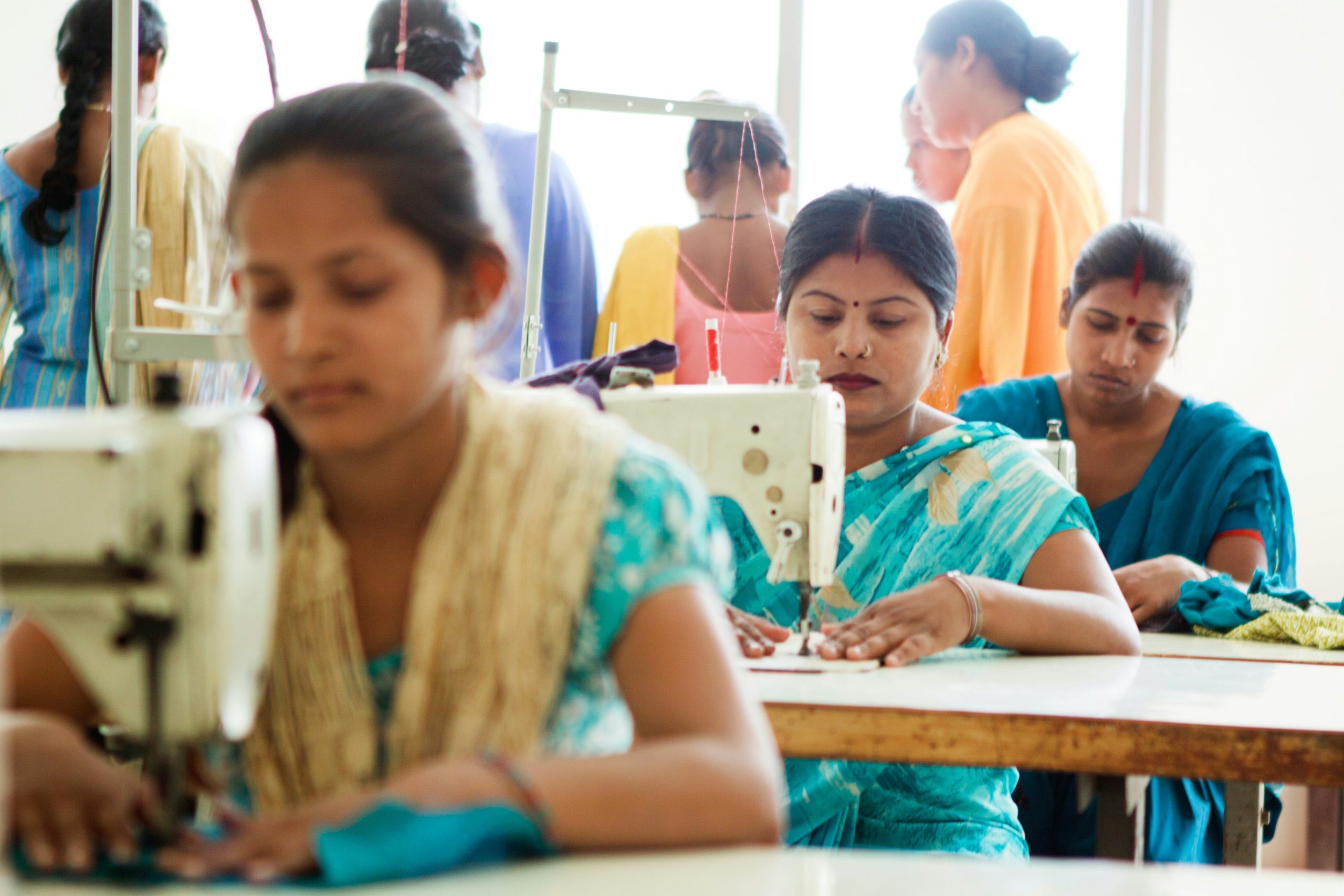
Skills development is a pillar of growth for any nation, and South Africa exemplifies this with a dynamic approach aimed at fostering personal and economic advancement. A country rich in diversity, South Africa has rolled out an array of skills development programs that not only seek to empower its citizens but also tackle the pressing issues of unemployment and social disparity.
At its core, skills development involves identifying, acquiring, and honing the competencies necessary for employment, personal growth, and meaningful societal contributions. It plays a vital role in shaping the nation’s workforce, particularly among the youth, who face staggering unemployment rates. By bridging the skills gap, these programs prepare job seekers to meet the evolving demands of the job market.
The Importance of Skills Development
Employment Opportunities: With the high unemployment rate among South Africa’s youth, skills training becomes essential. It enhances employability and provides individuals with the competencies required to succeed in the job market.
Economic Growth: A well-skilled workforce fosters productivity and innovation, driving economic expansion. When workers possess the appropriate skills for key sectors, it boosts efficiency and competitiveness.
Social Inclusion and Upliftment: Many skills programs specifically target marginalized communities, fostering economic participation and improving living standards, which ultimately strengthens social cohesion.
Personal Development: Beyond job readiness, skills development boosts self-confidence and promotes personal growth, encouraging individuals to pursue entrepreneurial activities.
Key Types of Skills
Skills can generally be divided into three categories:
Technical Skills: These job-specific skills are vital for certain tasks and are often acquired through vocational training or apprenticeships.
Soft Skills: Also known as people skills, these include communication, teamwork, and leadership—essential for workplace success.
Life Skills: Skills such as financial literacy and time management are crucial for daily living and informed decision-making.
A Multi-Sector Approach
The responsibility of skills development is shared across different sectors:
Government: Through policies and funding, the government plays a crucial role, exemplified by the establishment of Sector Education and Training Authorities (SETAs).
Private Sector: Businesses contribute through practical training opportunities, scholarships, and partnerships with educational institutions.
Non-Profit Organizations (NPOs): NPOs focus on training for vulnerable populations, providing tailored programs to meet specific community needs.
Government-Led Skills Development Programs
1. Sector Education and Training Authorities (SETAs)
SETAs are instrumental in coordinating skills development efforts within specific sectors. Funded through grants and bursaries, they ensure training aligns with labour market needs, offering accredited programs that enhance employability.
2. National Skills Fund (NSF)
The NSF provides financial support for skills development projects that focus on addressing skill shortages across the economy, benefiting both employed and unemployed individuals.
3. Expanded Public Works Program (EPWP)
This program creates short-term employment opportunities while providing essential skills training particularly for youth, women, and people with disabilities.
Non-Governmental and Private Sector Initiatives
4. Learnership Programs
Learnerships combine classroom education with practical work experience, leading to nationally recognised qualifications that enhance job prospects.
5. Apprenticeships
These hands-on training programs provide individuals with direct experience in a trade, often under the guidance of skilled professionals, allowing them to earn a wage while they learn.
6. Internships
Offering graduates practical exposure to the professional landscape, internships serve as valuable stepping stones towards permanent employment.
Community-Based Skills Development Programs
7. Community Colleges
These institutions offer flexible training that caters to local community needs, facilitating vocational courses and adult education while providing accessibility for all.
8. Non-Profit Organizations (NPOs)
NPOs deliver tailored skills development programs aimed at empowering disadvantaged groups, often offering low-cost or free training options.
9. Youth Development Programs
With a focus on young people, these programs provide essential life skills, mentorship, and job placement services, helping candidates navigate their career paths effectively.
Skills development stands as a cornerstone of South Africa’s quest for economic stability and social equity. Through a variety of structured programs, the nation is not only equipping its workforce with essential skills but also enabling a brighter future for its citizens—one capable of contributing to the nation’s collective success.
