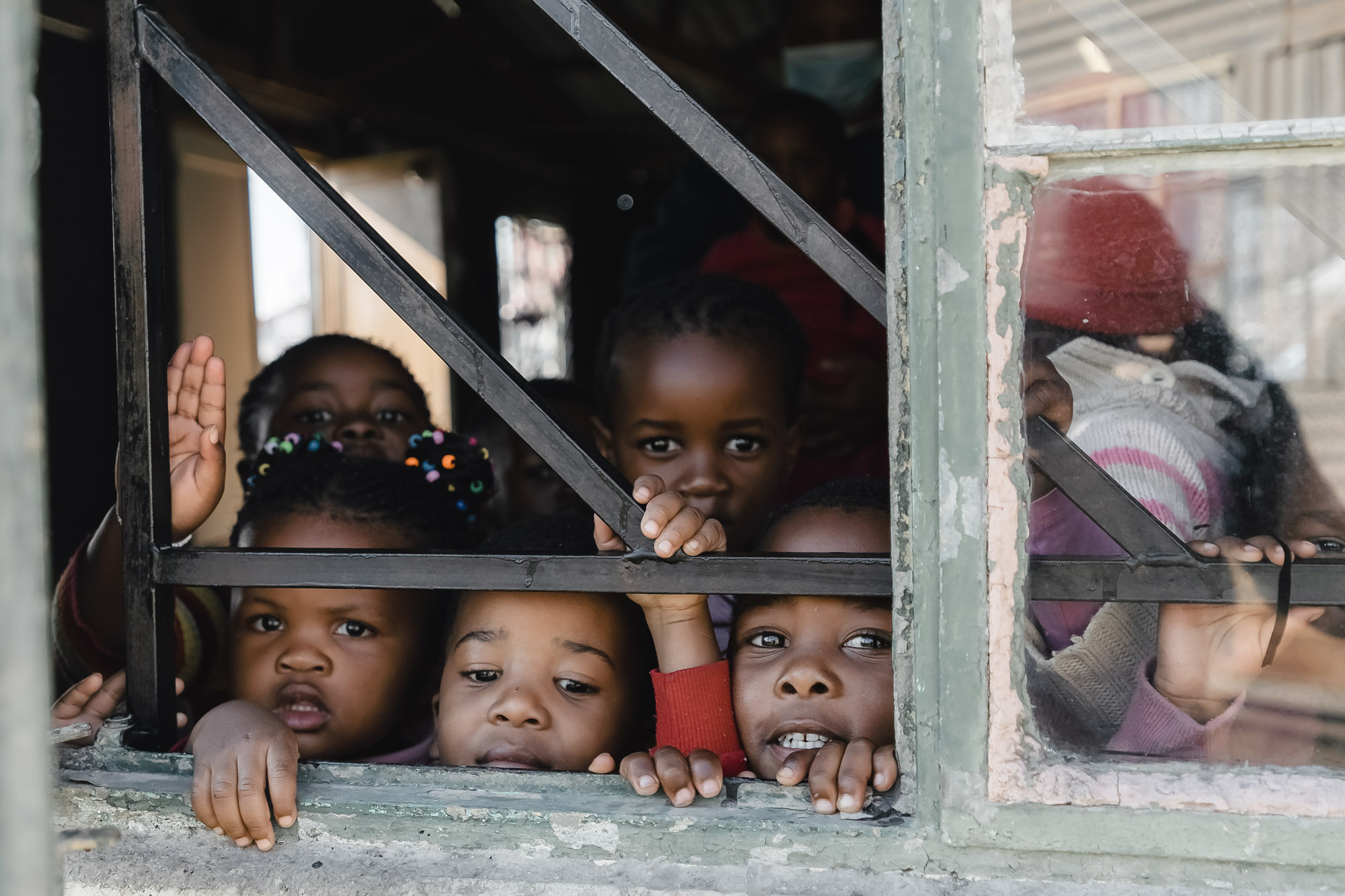
In Khayelitsha, Ntombentsha Sobekwa sets up her early childhood development (ECD) classroom each morning with only a few basic resources. At the end of the month, after covering the centre’s costs, she is left with only a few rand. Her story is one of thousands across South Africa.
The Thrive by Five Index reveals a stark picture: only 42% of enrolled four-year-olds are developmentally on track. Twenty-eight percent are falling behind, while 30% are far behind. These statistics highlight an urgent need for resources and support in ECD centres.
Why Early Investment Matters
Research by Nobel laureate James Heckman confirms that investment in the first five years of life delivers the highest return on investment compared to later interventions. Yet, in South Africa, outcomes remain unequal. Children in high-fee preschools are almost twice as likely to be developmentally on track as those in low-fee centres.
ECD is not simply about early learning. It shapes lifelong health, productivity, and social development. Without adequate resources, the opportunity to break the cycle of poverty is lost.
The Role of Social Investors
The Department of Basic Education has prioritised ECD in its budget, but government resources alone cannot close the gap. Social investors and philanthropic funders are vital to complement public funding, targeting underserved communities and ensuring every rand delivers maximum impact.
Currently, 29% of four-year-olds are not enrolled in any early learning programme. Among them, only 18% are on track, while more than half are falling far behind. This is where targeted interventions can change futures.
Practitioners: The Backbone of Early Learning
ECD practitioners are often overworked, underpaid, and undersupported. Many operate in unsafe and overcrowded environments, without access to adequate training or resources. Compounding these issues, 7% of enrolled four-year-olds show moderate or severe stunting, setting them back months compared to their peers.
Despite these challenges, practitioners remain the backbone of early learning. Their dedication must be supported with infrastructure, resources, and recognition.
Breadline Africa’s Contribution
Breadline Africa helps bridge the gap by providing:
- Safe, functional classrooms
- Kitchens for nutritious meals
- Age-appropriate toilets for dignity and hygiene
- Sick bays for care and recovery
These interventions enable more ECD centres to qualify for government subsidies under the Bana Pele registration drive, extending their sustainability.
Beyond infrastructure, Breadline Africa also implements the Nurturing Care Framework, which focuses on health, nutrition, responsive caregiving, security, and early learning opportunities.
Building South Africa’s Future Together
ECD practitioners give so much, but they cannot do it alone. True progress requires investment in infrastructure, training, and innovation. Every rand spent must build safe, caring spaces where children and caregivers can thrive.
With the right support, every child in South Africa can have access to early learning that shapes a brighter, more equal future.
Breadline Africa invites partners and supporters to join in making this vision a reality. Together, we can change the story.
