
How would you help a teacher who is not very good at Mathematics, to teach it?
What are the costs and benefits of improving conditions of employment for Early Childhood Educators?
Can teachers use traditional indigenous knowledge to help learners master Science?
What is the best way to use technology including Artificial Intelligence in universities today?
How can educators make the most of a rich multilingual context in basic or higher education?
What training would help unemployed youth earn a living by caring for the environment?
These are just some of the topics people like you are researching as part of their Honours, PhD or Masters in Education studies at Rhodes University.
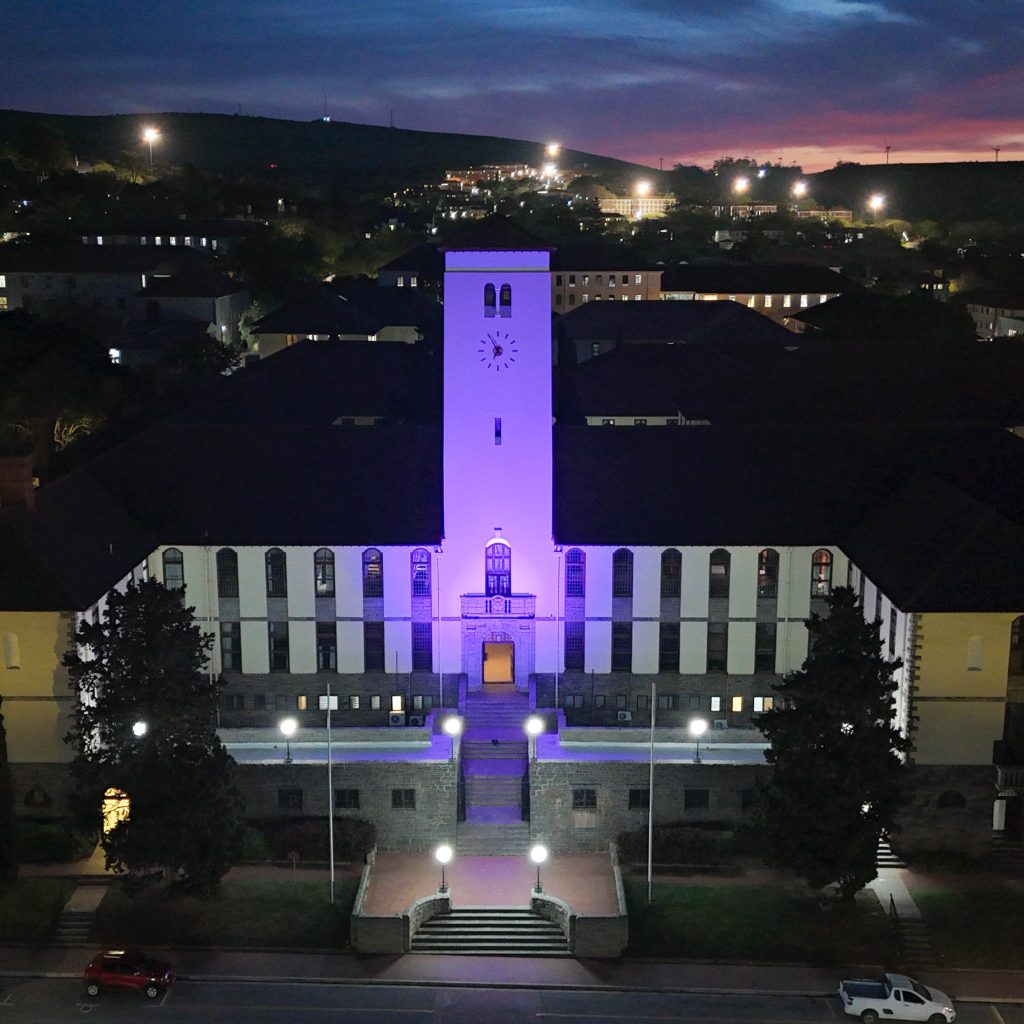
Here, postgraduate students are encouraged to research real-world problems, with a transformative intent. They are introduced to theories and methods for developing new knowledge across disciplines like economics and education, technology and teaching, or activism and academia. Whilst obtaining a formal qualification, they pioneer ways to co-create knowledge ethically and credibly with communities and practitioners.

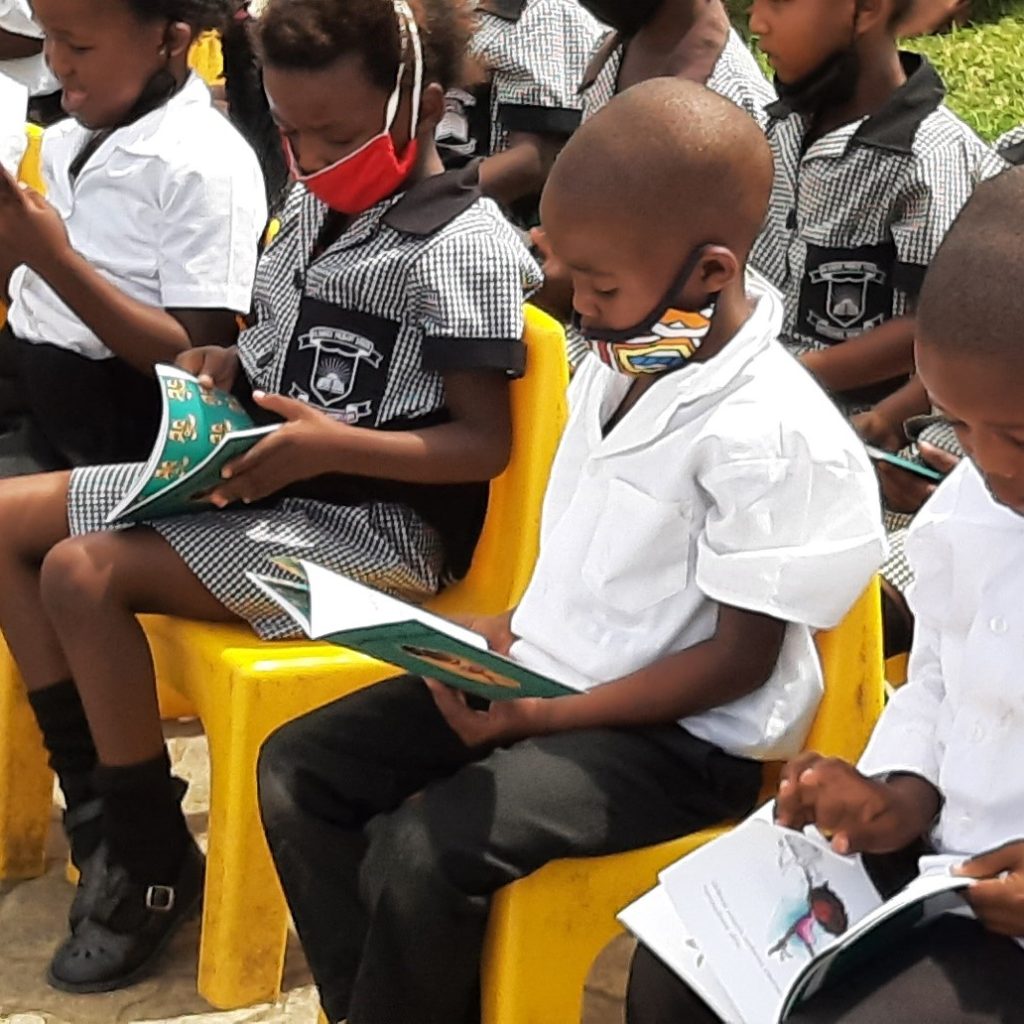
The Faculty’s value proposition includes a high proportion of staff with doctoral degrees, small supervision groups, and both in-person and online research training throughout the postgraduate’s learning journey. A collegial, non-hierarchical approach is promoted. Students are encouraged to freely engage the Faculty’s academics, but also to learn with and from each other. Supported by Rhodes as a research-intensive institution, the Faculty participates in several multi-partner, multi-country research and development projects, providing students and staff with opportunities to travel and exchange ideas with the best in the world.
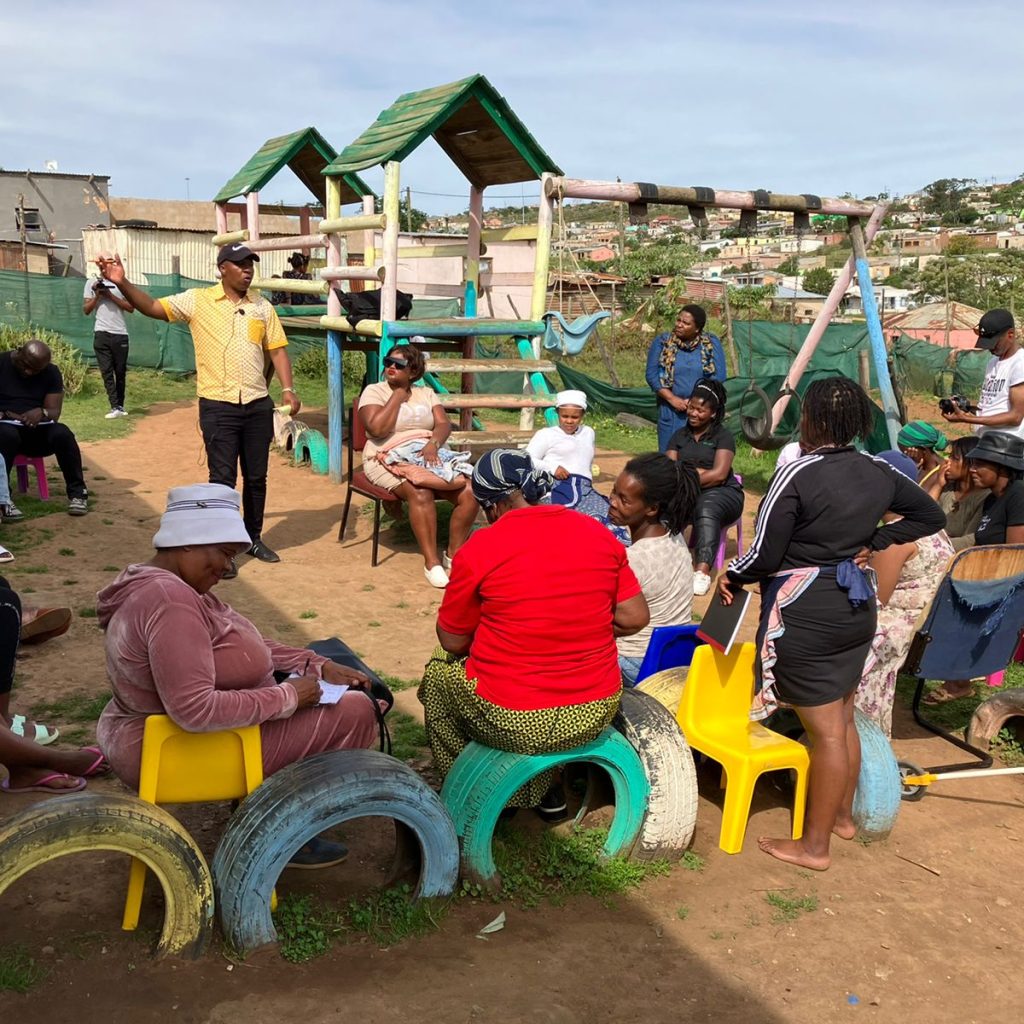
At the same time, the Faculty’s scholarship is also intensely local. Staff are hands-on involved in training early literacy educators, new teachers, existing teachers, lecturers, youth and communities. Our peri-rural position in the Eastern Cape Province of South Africa, with its dire educational, economic and environmental challenges, means that “The Africa We Want” is always front of mind, calling for contextually relevant and solutions-oriented research.


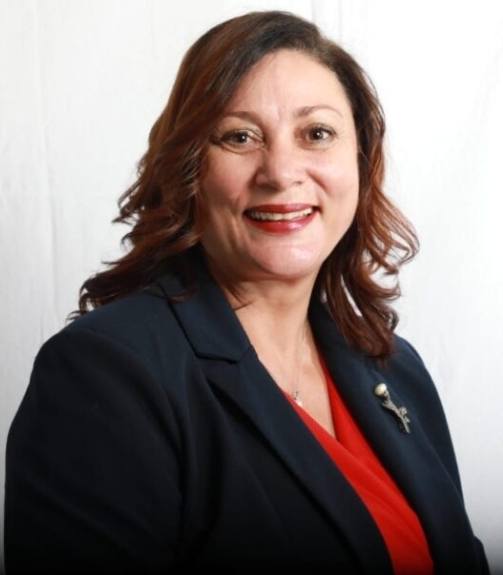
Among the many educational leaders who chose Rhodes for their doctoral studies are the current Minister of Education in Namibia, and the head of one of the largest social movements on the continent, the Alliance for Food Sovereignty in Africa.
If you have a topic to research and need a qualification that will prepare you to lead transformation in formal or informal education contexts, visit the Education Faculty website at Rhodes University – Where Leaders Learn.
